How Poor Parking Lot Drainage Can Wreck Your Pavement
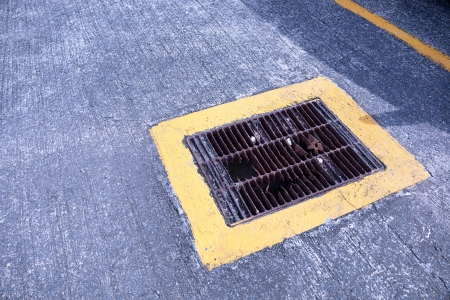
Heavy New England rain, snowmelt, and freeze–thaw cycles can be brutal on commercial lots. When parking lot drains aren’t moving water fast enough, your asphalt or concrete in Shelton starts to weaken, crack, and fail long before its time.
As a local team focused on septic repairs and drainage, Monroe Septic LLC sees the same pattern across plazas, schools, and office parks from downtown Shelton to Monroe and Trumbull. Water sits where it shouldn’t, seeps into small gaps, freezes, expands, and turns tiny flaws into big headaches.
What Poor Drainage Does To Pavement In Shelton, CT
Standing water is more than a nuisance. It soaks into hairline cracks, then winter temperatures along Route 8 and the Merritt Parkway corridor cause that water to freeze and expand. The result is larger cracks, raveling, and potholes that spread with every storm.
Puddles also push oils and fine sediments into your surface. Over time, those materials loosen the bond in asphalt and weaken concrete joints. Add plow passes and delivery trucks, and small soft spots become sunken areas around grates or traffic lanes.
Ignoring ponding water after storms almost always leads to faster pavement breakdown and higher repair bills. Fixing drainage issues early protects your investment and keeps customers safe while walking from their cars.
Common Red Flags Property Managers Should Watch
Walk your lot a day or two after rain. If you see any of these signs, the drainage system may be underperforming:
- Puddles that linger 24–48 hours after a storm, especially near catch basins.
- “Alligator” cracking, edge ruts, or a sinking ring around a grate.
- Ice sheets form at driveway entrances or crosswalks in winter.
- Sand, silt, or leaf mats streaking toward low points or grates.
- Musty odors or visible debris inside the basin throat.
In neighborhoods like White Hills and along Bridgeport Avenue, leaf drop and plowed sand can clog grates quickly. When that happens, runoff spreads across parking stalls and drive lanes instead of dropping into the system.
How Parking Lot Drains Actually Protect Your Asphalt And Concrete
Most commercial lots rely on a network of surface inlets, catch basins, trench drains, and pipes. Each part plays a role:
- Grates and trench drains collect sheet flow before it can pool.
- Catch basins slow the water so heavier grit settles out in the sump.
- Laterals move cleaner water to storm mains or approved on-site discharge.
When any one piece is clogged, broken, or undersized, water backs up at the surface. That’s when you’ll notice cars splashing through puddles and the same low spots reappearing after every rain. A healthy system moves water off the surface fast, protects the base layers, and keeps freeze–thaw from tearing the pavement apart.
Why Parking Lot Drains Fail Around Shelton
Our local climate and maintenance patterns create a few predictable failure points:
Seasonal debris loads are intense. Fall leaves from maples around corporate parks near the Housatonic River quickly mat over grates. Winter plowing pushes packed snow and sand into inlets. In spring, that mix becomes a heavy sludge that blocks flow.
Pavement slope can be another culprit. If resurfacing changed elevations without resetting grates, even a small lip can keep water from entering the basin. Over time, traffic can also crack basin walls or shift rings, creating gaps where water erodes the base and causes a settling halo.
Undersized systems struggle during cloudbursts. When an intense microburst hits Shelton, Milford, or Derby, a narrow trench drain or shallow sump may not capture peak flow. That overflow harms both the surface and the subbase, shortening pavement life.
Maintenance That Extends Pavement Life
The best defense is routine, professional service that keeps the drainage path clear from the grate to the outlet. A proactive plan focuses on timing and consistency, not just emergency calls after a storm.
Here’s a simple, outcomes-based rhythm many local properties follow:
- Late fall: clean grates and basins before leaf season peaks and before freeze sets in.
- Early spring: remove winter sand, check for ice damage, and inspect for settlement.
- Mid-summer: camera-inspect laterals after heavy rains to catch root or debris issues.
For busy corridors near Bridgeport Avenue and Huntington Center, a trench drain at drive lanes may need extra attention because of frequent turning traffic. Focused service keeps inlets open so water never lingers long enough to find a way under your pavement.
What A Professional Inspection Covers
When Monroe Septic LLC evaluates parking lot drains, we look at the whole system. That means grate condition, basin integrity, sump depth, pipe alignment, and outlet performance. We also check pavement slope so water naturally finds the inlets rather than bypassing them.
If a basin has settled or a pipe joint has failed, we’ll identify the structural fix and the best timing to minimize business disruption. For properties near schools or medical offices, work windows can be planned around peak hours to keep traffic moving safely.
Risk and Liability You Can Avoid
Poor drainage isn’t just a maintenance headache. It raises risk. Pooled water and ice can contribute to slip-and-fall incidents, and large potholes can damage vehicles. Keeping drains clear reduces those hazards and supports ADA-friendly site conditions at crosswalks and accessible stalls.
Good drainage also protects your brand. Customers judge a property the moment they step out of the car. Dry, clean lots signal care and safety, while puddles and patches suggest delays and extra costs inside the building, too.
Local Weather Patterns That Stress Drains
In Shelton and surrounding towns like Stratford, Ansonia, and Orange, we often see back-to-back rain events followed by quick freezes. That one-two punch magnifies any small flaw in your drainage system. Summer thunderstorms can drop a lot of water in a short burst, overwhelming shallow sumps that haven’t been cleaned recently.
Because these patterns repeat every year, a set schedule for cleaning and inspection pays off. It’s easier to keep drains working than to rebuild collapsed basins or replace damaged pavement later.
Choosing A Local Specialist You Can Trust
Look for a team that handles septic repairs, stormwater components, and site drainage as a system. You want pros who recognize how runoff, basins, and underground lines interact with your pavement structure and subbase.
If you’re comparing partners, ask about inspection methods, documentation with photos, and how they handle sediment disposal. Local experience matters in Fairfield and New Haven counties because soils, slopes, and tree cover shift from plaza to plaza. When you need a dependable crew, start with a company known for comprehensive septic services in Shelton and strong safety practices.
Real-World Scenarios From Around Town
Retail plaza near Bridgeport Avenue: recurring puddles formed around two catch basins after resurfacing. The grates sat a half inch high, so water bypassed the inlets. Resetting the frames and cleaning the sump restored flow and stopped the daily puddles that had been soaking the asphalt.
Office park in White Hills: trench drain across the main drive filled with fines after winter plowing. A targeted vacuum clean and outlet check cleared the blockage. Traffic stopped tracking mud into the lobby, and the lot stayed dry after storms.
School lot off Route 110: a basin had settled, creating a ring-shaped depression. Rebuilding the structure and reestablishing the slope removed the hazard and protected the subbase from further washout. The area now drains quickly, even during summer downpours.
When To Call About Your Parking Lot Drains
You don’t need to wait for a major failure. If you see repeat ponding, ice sheets, or a sinking ring around a grate, it’s time to schedule a professional inspection. Early action usually means smaller repairs and less disruption for customers and staff.
Get Ahead Of The Next Storm
Protect your investment by keeping water off the surface and out of your base layers. Schedule your parking lot drain inspection with Monroe Septic LLC today and prevent small drainage issues from becoming big pavement problems.
Call us at 203-268-7115 to keep your Shelton property safe, clean, and open for business.
Contact Monroe Septic LLC if You Live in Shelton and Surrounding Areas