Septic Tank Repair vs. Replacement: How Monroe Homeowners Can Decide
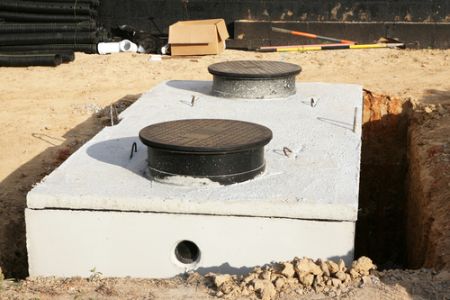
Not every septic problem means a full replacement. For many Monroe homes, a focused repair restores performance and prevents bigger issues. If you are seeing slow drains, gurgling, or damp ground near the tank, a licensed team can inspect the system and recommend the right fix. When you need quick help, you can book septic system repairs with Monroe Septic LLC for a prompt assessment and clear next steps.
What Failing Looks Like in Monroe, CT Homes
Monroe sits in a part of Fairfield County where soils can be rocky and seasonal moisture swings are common. After multi-day rain or snowmelt, a tired system may show warning signs. Watch for sewage odors near the tank or leach field, persistent soggy spots even during dry spells, or toilets and tubs draining more slowly throughout the house. **Any backup into fixtures is an urgent health risk that needs a professional the same day.**
When a Repair Is the Smart Move
Targeted repairs work well when the tank and drainfield still have usable life. A thorough inspection can pinpoint components that fail before the whole system does. Common repairable issues include:
- Damaged or missing baffles and tees that let solids escape the tank
- Cracked or misaligned inlet and outlet pipes that cause leaks or clogs
- Alarmed or unresponsive pump components in pressure or mound systems
- Risers, lids, or effluent filters that need replacement for safer access and operation
- Minor root intrusion at the tank outlet or distribution box
Repairs like these can restore flow, reduce odors, and protect the drainfield. Your technician will document findings with photos and a site sketch so you can see exactly what is happening underground.
When Replacement Saves You Headaches
Replacement becomes the better long-term choice when the core of the system is worn out. If the drainfield is saturated season after season or solids have migrated into the field for years, patching will not restore healthy absorption. Consider a replacement if you notice:
- Recurring backups affecting multiple fixtures despite recent pumping
- Standing water or surfacing effluent over the leach field in dry weather
- Severe tank deterioration that cannot be safely repaired
- Major soil limitations or a high water table that no longer match the original design
- Home additions that outgrew the system’s design capacity
Most septic systems serve a home for many years when maintained, though lifespan varies by material, soil conditions, and usage. If a technician shows that key parts have reached the end of their life, investing in a new system prevents repeat service calls and protects your yard and well-being.
Key Factors To Decide on Repair or Replacement in Monroe, CT
Every property is unique, but a few local factors guide the decision:
Site and soil conditions. Rocky soils and perched water during spring thaw can limit how well a leach field recovers. If test pits or inspections show poor percolation, replacement with an updated design may be the stable option.
System age and upkeep. A well-maintained tank and field can work for decades. If records show frequent pumping and few problems, a repair usually makes sense. If records are missing and the system struggles after normal use, replacement may be wiser.
Home size and water use. Finishing a basement or adding bedrooms changes demand. Upsizing components or installing a new field ensures the system matches the household’s flow patterns.
For homeowners comparing system types, it helps to review how different setups handle your property layout. You can explore options on our residential septic systems page to see how modern designs manage challenging soils and lot sizes.
How Pros Diagnose the Problem
A careful diagnosis prevents wasted time and money. Here is how a licensed crew typically evaluates a Monroe system:
- 1. Records and symptom check. Your tech reviews prior to pumping, recent weather, and where problems show up in the home. This helps separate household plumbing issues from true septic failures.
- 2. Tank inspection with safe access. The team opens the tank with proper risers and lids, measures scum and sludge, and checks baffles, tees, and filter condition. If levels are normal, the problem may be downstream.
- 3. Flow and pipe checks. Camera or dye tests help locate blockages and verify that effluent reaches the distribution box. If the flow stalls at the outlet, the drainfield may be failing.
- 4. Drainfield assessment. Surface conditions, odors, and soil moisture point to the field’s health. Where allowed, test holes near the field can confirm saturation or biomat buildup.
With these findings, your technician will recommend a direct fix or a system redesign. This protects your family, your landscaping, and your budget.
Seasonal Best Practices That Extend System Life
Our climate shifts fast from humid summers to freezing winters. Gentle habits and routine service go a long way. **Never park or store heavy equipment over the tank or leach field.** Avoid routing roof or sump water toward the field, and direct downspouts to safe discharge points. If your yard holds water after storms, ask your technician about drainage improvements that work with your system, not against it.
Homeowners in neighborhoods like Stepney or near wetlands often see seasonal water rise. **If the field area stays spongy for weeks, limit foot traffic and schedule an inspection** to make sure effluent is dispersing as designed.
A Simple Decision Framework For Homeowners
Use this quick framework to weigh your options:
- If the tank and pipes are sound and problems are isolated to a component, repair is likely the fastest, least disruptive choice.
- If the field is saturated in normal weather or backups return soon after service, plan for a replacement to end the cycle.
- If the home expanded or added water-heavy fixtures, size the system to current use rather than chasing repeat fixes.
- If you plan to sell, a documented repair can reassure buyers, while a new system can add confidence and long-term value.
When you are still on the fence, a second opinion from a licensed provider can bring clarity. It is normal to compare options before committing to major work.
Choosing the Right Local Partner
Monroe Septic LLC focuses on pinpoint diagnosis, clear recommendations, and neat work areas that respect your property. Our team understands Monroe’s soils and the way spring snowmelt and autumn storms can stress older systems. Property managers and business owners can also explore commercial septic systems to keep facilities operating smoothly with minimal downtime.
For homeowners, start with an on-site evaluation. If a fix will solve it, we will explain the repair and warranty. If a replacement will prevent repeat issues, we will map a plan that fits your site and household use. You can learn more about our approach to septic system repairs and see how we document each step for your records.
When you want to confirm experience and local service coverage, visit our homepage. It is a helpful place to start if you are comparing providers for septic repair in Monroe, CT, and want to see how we support ongoing maintenance and education.
Ready To Move Forward? We Make It Simple
Whether you choose a targeted fix or a full system update, we handle the details and keep you informed at every step. Call 203-268-7115 to schedule your evaluation with Monroe Septic LLC. If you are seeing active backups or odors, scheduling dedicated septic system repairs today is the safest way to protect your home and yard.
Contact Monroe Septic LLC if You Live in Shelton and Surrounding Areas