Why Is Your Drain Field Failing in Easton, CT and How Septic Drain Field Repair Fixes It?
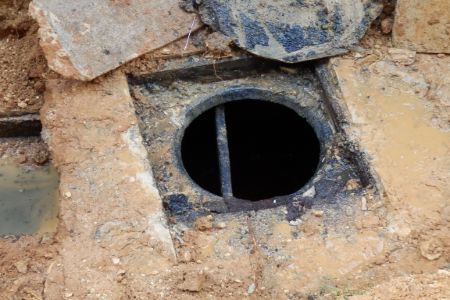
If your lawn feels spongy, your drains gurgle, or a strong odor hangs in the air, your septic drain field may be in trouble. This guide explains the real reasons leach fields fail in Easton, CT and what trained pros do to restore them. If you need hands-on help now, explore our septic system repairs to see how Monroe Septic LLC gets systems flowing again.
For a quick overview of service options and local expertise, you can also learn more about septic drain field repair in Easton, CT on our main site.
What Your Drain Field Does and Why It Fails
Your septic tank holds wastewater long enough for solids to settle and oils to float. The clarified water then flows to the drain field, where it spreads through perforated pipes and filters through soil. Good soil provides oxygen, which allows bacteria to break down waste before it reaches groundwater.
When a drain field fails, the soil can no longer accept or treat that water. Effluent backs up, surfaces in the yard, or pushes back toward the house. Some failures are sudden, like a crushed pipe. Many are slow, caused by clogged pores in the soil from years of overloading.
Clear Signs Your Septic Drain Field Is Failing
- Patches of bright green grass or mushy ground over the leach field, even in dry weather
- Slow drains, gurgling noises, or backups inside after laundry or showers
- Strong sewage smells near the tank, d‑box, or field
- Standing water or gray water surfacing in the yard
- Frequent need for emergency pumping to stay ahead of backups
Sewage on the surface is a health risk and needs immediate attention. A failing drain field does not fix itself, and continuing to use water can make the damage worse.
Local insight: Parts of Easton, including areas near the Aspetuck River and low-lying lots off Routes 58 and 136, can see high groundwater after spring rains and fall storms. Scheduling inspections before the wet season helps catch problems early and can reduce disruption to your yard.
Common Causes Of Drain Field Problems In Easton, CT
Every property is unique, but several patterns show up across Easton and nearby towns:
- Soils that stay wet after heavy rain. High groundwater reduces oxygen in the soil, so treatment slows and water has nowhere to go.
- Older systems sized for smaller households. Modern water use can overwhelm fields built decades ago.
- Compacted or disturbed soil. Driving or parking on the field crushes voids in the soil and pipes.
- Tree and shrub roots. Roots chase moisture and can infiltrate old perforations and joints.
- Seasonal freeze and thaw. Shallow laterals near travel lanes are vulnerable to frost and vibration.
- Continuous overload. Back‑to‑back laundry cycles, long showers, and leaky fixtures keep the field saturated.
Sometimes the tank is working, but the distribution box is tilted, sending too much flow to one trench while others sit idle. In other cases, biomat buildup at the trench-soil interface slows infiltration to a crawl.
How Pros Diagnose Septic Drain Field Issues
Good repairs start with a thorough diagnosis. A trained technician will:
- Review the system’s age, layout, and past maintenance, then locate the tank, distribution box, and laterals.
- Check liquid levels in the tank and d‑box to see whether the restriction is in the house line, tank outlet, or the field.
- Run a camera through accessible lines to spot breaks, sags, or root intrusions.
- Probe and observe the field for saturation, surfacing, and signs of trench overload.
- Test water flow patterns to confirm whether one or multiple laterals are affected.
Repairs should be handled by a licensed septic professional. Accurate testing protects your system, your well, and your neighbors’ wells.
Professional Solutions That Actually Work
There is no single “magic fix,” but the right repair can extend the life of your system and protect your property. Depending on what the inspection shows, a pro may recommend one or more of the approaches below:
Balancing flow at the distribution box. A level d‑box helps share effluent across all laterals. Re‑setting or replacing a failed box can relieve an overworked trench and bring idle lines back into use.
Repairing damaged laterals. Sections crushed by traffic or clogged by roots can sometimes be replaced without disturbing the entire field. In select cases, adding inspection ports improves monitoring and maintenance.
Restoring soil acceptance. Where biomat buildup is the main issue, targeted methods can improve infiltration. Techniques vary by soil, season, and system history. Your technician will explain the benefits and limits for your yard and groundwater conditions.
Installing drainage improvements. On lots with seasonal high water, shallow curtain drains or redirection of surface water away from the field can reduce saturation. The design depends on topography, tree cover, and setback requirements.
System upgrades. If the field is undersized for today’s water use, upgrades may include re‑routing to spare area or reconfiguring components to reduce hydraulic load. For homes, learn how the system type affects options on our residential septic systems page.
Full replacement as a last resort. When the soil is exhausted or the field has reached the end of its service life, replacement may be the responsible choice. Replacement plans consider soil tests, setbacks, and your long‑term needs so the result is reliable for years.
What Not To Do When You Suspect a Leach Field Problem
Do not drive or park over the drain field. Weight compacts soil and breaks pipes. Also avoid diverting sump pumps or roof leaders into the septic system, which adds gallons the field cannot handle. Switching to extreme water restrictions rarely solves a true field failure and can mask symptoms only for a short time.
Strong sewage odors near the leach field are not normal. They point to poor treatment or surfacing effluent. Keep people and pets away from wet areas until a professional inspects the site.
How To Prevent Repeat Failures After Repairs
Once your system is stabilized, simple habits protect the investment and help the repaired field last:
- Spread out laundry through the week to avoid flooding the field in a single day.
- Fix running toilets and dripping faucets so the soil can rest between doses.
- Keep heavy vehicles, sheds, and hot tubs off the drain field area.
- Plant only grass over the field. Deep‑rooted trees and shrubs belong elsewhere.
- Have a licensed pro inspect the tank and components on a regular schedule that fits your household size and water use.
If you manage a school, church, or small business in town, usage patterns can be very different from a home. See system considerations on our commercial septic systems page to plan maintenance around peak demand.
Why Choose Monroe Septic LLC For Drain Field Repair In Easton, CT
When your yard is soggy and the clock is ticking, experience matters. Monroe Septic LLC brings local knowledge of Easton’s soils and weather, careful diagnostics, and clear communication so you understand each step. We respect your property, work to minimize disruption, and keep you informed from the first inspection through final cleanup.
You get a focused plan that addresses root causes, not quick patches. That includes checking distribution, verifying pipe conditions, and reviewing groundwater influences around your lot. If your situation calls for a bigger change, we will explain practical options in plain language so you can make a confident decision.
If you are ready to stop chasing backups and odors, take a closer look at our approach to septic system repairs and see how we tailor solutions to Easton homes throughout the year.
Realistic Expectations: Timeline And Yard Impact
Repair timelines vary with soil moisture, season, and the amount of restoration needed. Wet spring weather or saturated fall conditions can slow work to protect your lawn and prevent further compaction. Your technician will walk you through staging, access paths, and what to expect during the first weeks after the repair while the soil re‑stabilizes.
Most homeowners are surprised at how much smoother their plumbing feels once the drain field is accepting water again. Sinks clear faster, gurgling stops, and that musty odor fades as oxygen returns to the soil.
Get Local Help Fast In Easton, CT
Seeing puddles or smelling sewage near your leach field today. Do not wait. Call Monroe Septic LLC at 203-268-7115 for priority scheduling. Our team will assess the situation, explain options in clear terms, and get your yard and home back to normal. To start now, you can schedule septic system repairs and a licensed technician will take it from there.
If you want to read more before you call, browse service details and local insights about septic drain field repair in Easton, CT across our site, then reach out when you are ready. We are here to help.
Contact Monroe Septic LLC if You Live in Shelton and Surrounding Areas