Winter Septic Problems in Connecticut: Freeze-Ups, Backups, and How to Prevent Them
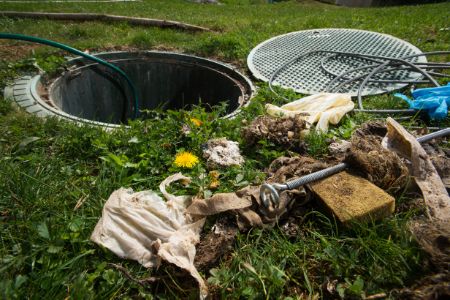
Cold snaps in the Housatonic Valley can be tough on buried pipes and tanks. If you need septic system repairs, the conditions that create winter backups and frozen lines are likely already in motion. This guide explains why the season is hard on systems in our area and how Monroe Septic LLC approaches septic repairs in Shelton, CT, so your home stays safe and comfortable.
Why Winter Hits Septic Systems Hard in Connecticut
Connecticut winters bring long stretches of frozen ground, followed by sudden thaws and rain. Soil shifts, surface ice, and compacted snow change how water moves above your leach field, which can stress older tanks and shallow piping.
Homes around Huntington, downtown Shelton, and White Hills can see different freeze depths based on elevation and wind exposure. Add in holiday usage and heavier weekend laundry, and your system may be pushed to its limit.
Common Winter Septic Problems in Shelton, CT
When the frost line sinks, shallow pipes and poorly insulated risers can freeze. The effluent can slow, then stop, and pressure builds in the tank and lines. That is when backups appear inside.
Another winter issue is saturated ground after a mid-season rain. If your leach field is already marginal, standing water over the field can turn slow drains into a full backup within hours.
Warning Signs You Should Not Ignore
Winter symptoms often start small. Pay attention to patterns because early action protects your home and yard.
- Gurgling sounds in tubs or sinks after flushing
- Slow drains in multiple fixtures on the same day
- Sewage odors near the tank, in the basement, or around the leach field
- Wet or icy patches over the field when the rest of the yard is dry
Call at the first sign of a sewage odor. Odors often mean venting issues or a restriction that can turn into a backup during the next freeze.
How Pros Prevent Freeze-Ups and Backups
Winter prevention is not about do-it-yourself fixes. It is about planning and professional service that matches the age and layout of your system.
- Cold-weather diagnostics that check tank levels, baffles, filters, and line temperatures
- Measuring scum and sludge to decide whether a mid-winter pump-out makes sense
- Mapping shallow runs that may need insulation or rerouting when the weather allows
- Documenting vent stack issues that can worsen in freezing wind
Never try to thaw a frozen line with open flames or heaters. That risks fire, toxic fumes, and damaged pipes. A licensed team uses safe equipment and methods designed for septic systems.
Septic Repairs in Shelton, CT: When Time Matters Most
In January and February, response time and the right tools make the difference. Our crews arrive ready to diagnose frozen laterals, blocked filters, damaged tees, and saturated fields, then plan work that fits weather windows and site access.
If you suspect trouble now, start with septic repairs from a local team that understands New England freeze–thaw cycles and how they affect older tanks, newer low-profile systems, and everything in between.
What Our Pros Check First During Cold Weather
Every property is unique, but winter troubleshooting follows a clear path so nothing is missed. That makes repairs faster and helps avoid repeat visits in bad weather.
Key checkpoints include tank access, filter condition, riser seals, and elevation changes between the home, tank, and field. Technicians also look at how snowpack, plowing, and foot traffic may be compacting the soil above the lines.
Do not drive or park on the drainfield. Heavy loads compact cold soil and can crush shallow piping, which leads to spring failures after the thaw.
Residential Versus Commercial Systems In Winter
Homes and businesses face different winter stressors. Houses in areas like White Hills often have long, winding laterals with shade that keeps frost deeper. Restaurants and shops downtown can see higher daily flows and grease loading that complicates cold-weather performance.
Learn how systems differ and what routine service includes on our residential septic systems page, and see how scheduling changes and load balancing protect shared restrooms and kitchens on our commercial septic systems page.
Ground Conditions Around Shelton That Affect Winter Performance
Many Shelton lots sit on slopes above the Housatonic, while others near Booth Hill or off Leavenworth Road are flatter with heavier soils. Shade patterns, wind funneling along the river, and the way snow drifts in open yards all change how frost builds.
If your leach field is in a low spot or near a driveway, plowed piles can force meltwater over the field and into inspection ports. That surface water can chill pipes and slow the system. Site-specific planning helps prevent those problems before the next cold snap.
What a Cold-Weather Inspection Typically Includes
A winter inspection focuses on safety, reliability, and documenting risks so the next storm does not undo a repair. Here is what a professional visit often covers:
- Tank level check and filter service to restore normal flow
- Verification of watertight riser lids and gaskets to reduce cold air infiltration
- Line tracing to locate shallow segments vulnerable to freezing
- Vent and roof stack review to improve system breathing in windy conditions
For homeowners planning spring projects, the winter report becomes a roadmap. It lists what should be corrected when the ground softens, so you are not fighting the same battle next January.
Backups During Holidays And Long Weekends
Holiday gatherings can overwhelm older tanks and fields. When guests arrive, daily flows spike and colder air chills exposed access points. That is when small restrictions turn into full backups.
Schedule routine inspections before deep freezes. If your home in Huntington or off Route 110 hosted a crowd last month and drains are slow, a check now can prevent damage when temperatures drop again.
Linking Your Winter Plan To The Right Help
If you are comparing options for septic repairs in Shelton, CT, look for a local team that documents findings, explains risks in plain language, and plans work around weather and site access. Ask how they handle frozen access, snow loads, and steep driveways that are common in Shelton neighborhoods.
When Replacement Becomes the Right Conversation
Some systems reach the end of their useful life. Repeated backups, saturated fields, or collapsing baffles can point toward a larger fix. A clear winter assessment helps you plan for spring work with your installer or engineer so you are not rushing decisions during a storm.
The goal is to protect health and property while keeping your daily life on track. A professional evaluation will outline immediate steps to stabilize the system and longer-term choices for the next season.
Stay Ahead Of Winter Septic Trouble In Shelton, CT
Frozen lines and backups rarely get better on their own. If your drains are slow or you notice odors, call Monroe Septic LLC at 203-268-7115 for fast help and clear next steps. For urgent service and thorough diagnostics, start with our local team and request winter septic system repairs today.
Contact Monroe Septic LLC if You Live in Shelton and Surrounding Areas